SaaS platforms and enterprise web applications
Multi-tenant products with roles and permissions, subscriptions, billing, usage limits and admin controls, structured so new features do not mean rewriting old ones.

Production web platforms engineered for scale, security and long-term maintainability, on React, Next.js, Node.js, Python, Django and ASP.NET, by teams that have shipped and supported SaaS products for years.
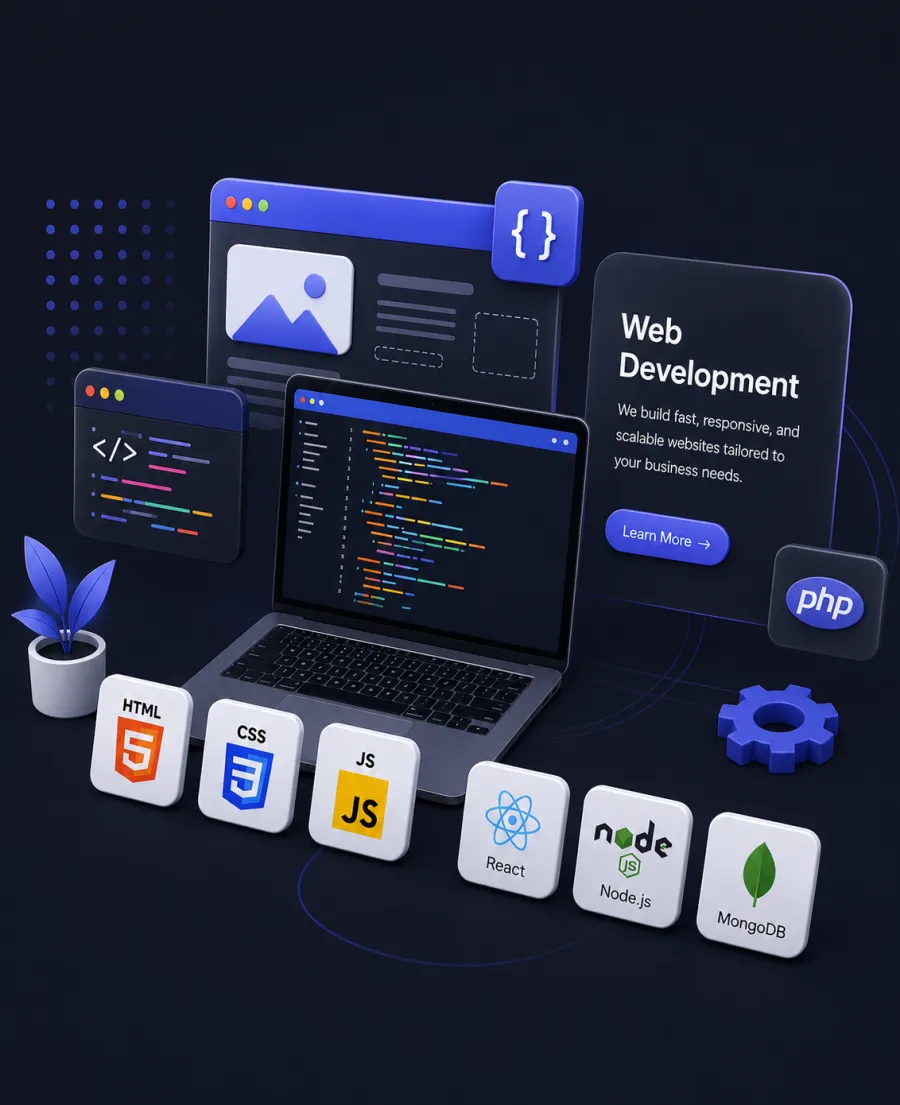
Most web projects that come to us fall into one of three groups: a new product that needs to reach paying users, an internal system that has outgrown spreadsheets, or an existing platform that has become slow, fragile or hard to change. In each case the goal is the same. Ship software that works on day one and is still easy to extend two years later.
We build with React and Next.js on the front end and Node.js, Python, Django or ASP.NET on the back end, and we choose the stack around your team and your roadmap, not our habits. Every project is split into milestones with a fixed price and a clear deliverable, and you see working software every week. The code lives in your repository from the first commit, so you own it outright.
If you already have a codebase, we start with a review. Sometimes the right answer is to extend what you have, sometimes a rebuild is faster, and we tell you which before any work begins.
Multi-tenant products with roles and permissions, subscriptions, billing, usage limits and admin controls, structured so new features do not mean rewriting old ones.
Self-service portals for your customers and dashboards for your team: account management, reporting, approvals and workflows that replace manual work and email chains.
Clean REST or GraphQL APIs, plus integrations with payment providers, CRMs, ERPs and third-party services. Live updates, chat and notifications over WebSockets where the product needs them.
Moving older PHP, .NET or monolithic systems to a modern stack in stages, keeping the business running while each part is replaced and tested.
Authentication, access control, input validation and dependency checks, along with page speed, caching and database tuning, and accessibility fixes so more people can use what you built.
We go through your users, goals and constraints, then agree the features for the first release and what can wait.
A written plan covering the data model, integrations and hosting, split into milestones with a price and deliverable for each.
Backend and frontend are built in parallel. You review working software every week and approve each milestone before the next starts.
We deploy to your hosting, hand over documentation and access, and stay on for fixes, updates and new features.
Every project starts with a free discovery call and a written estimate split into milestones. Choose the model that fits:
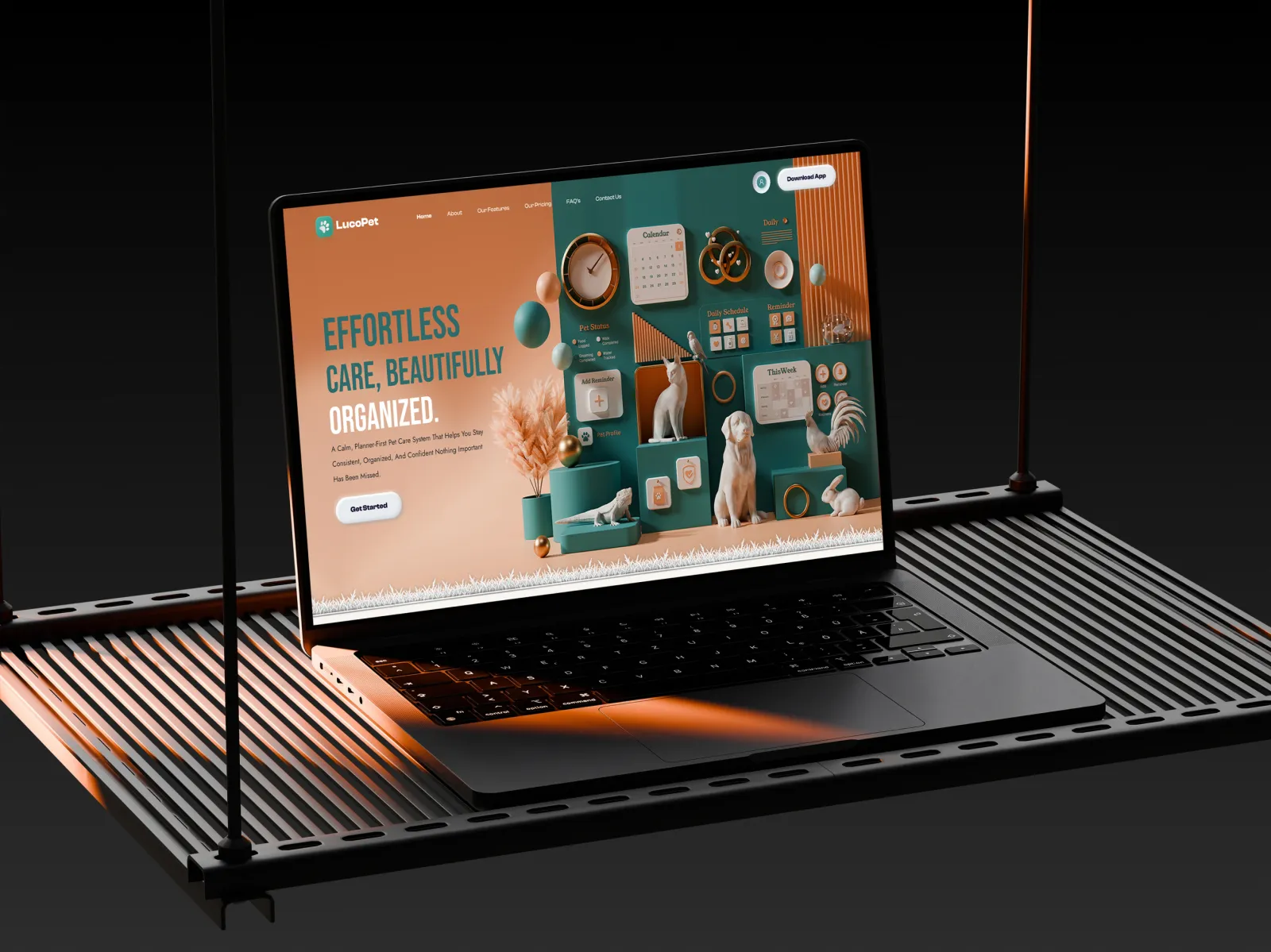
A pet-care ecosystem that connects a website, a mobile app and a dashboard through one 3D design language.

An agency site built around one 3D character that carries the brand where a logo alone could not.
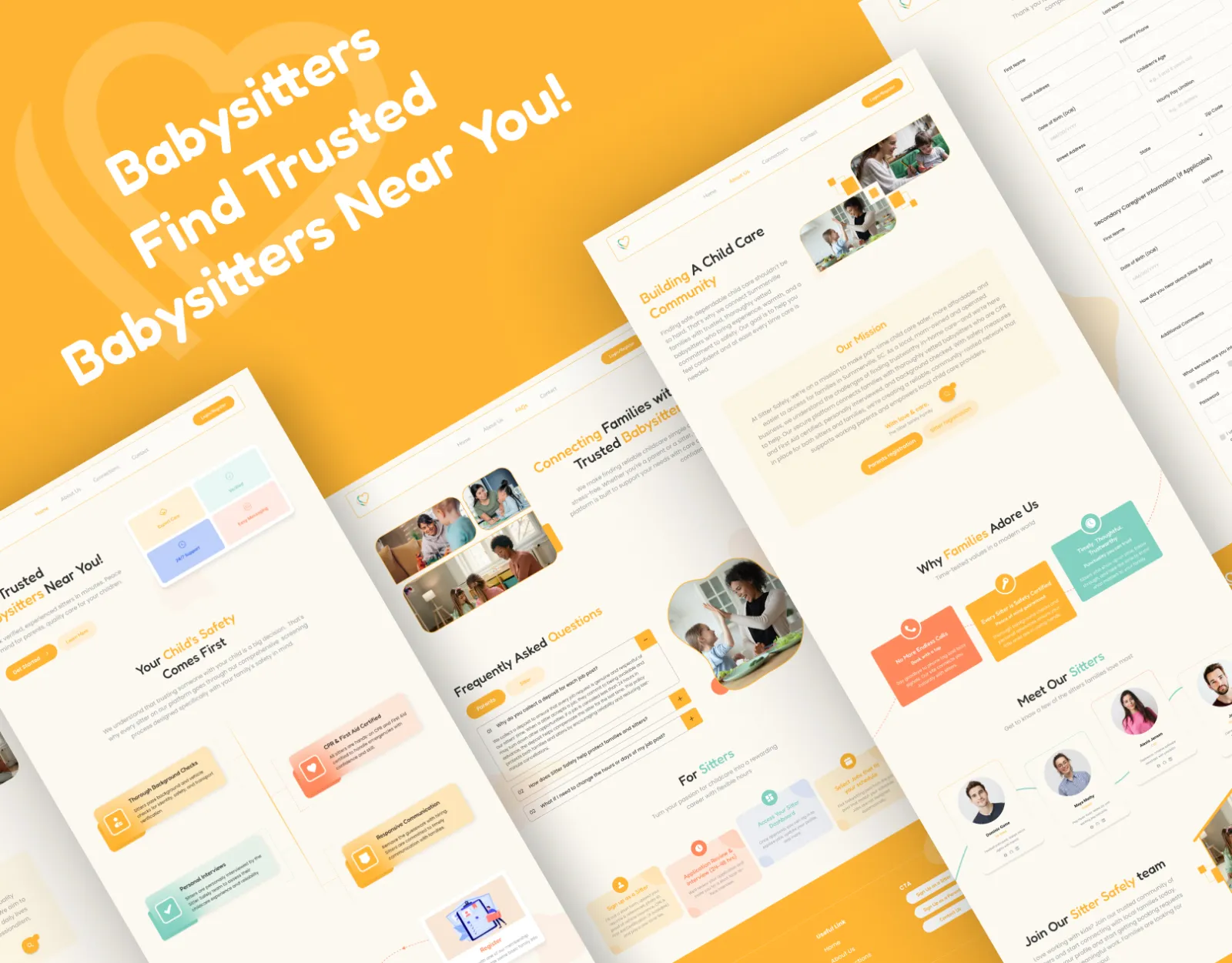
A multi-page website connecting families with babysitters.
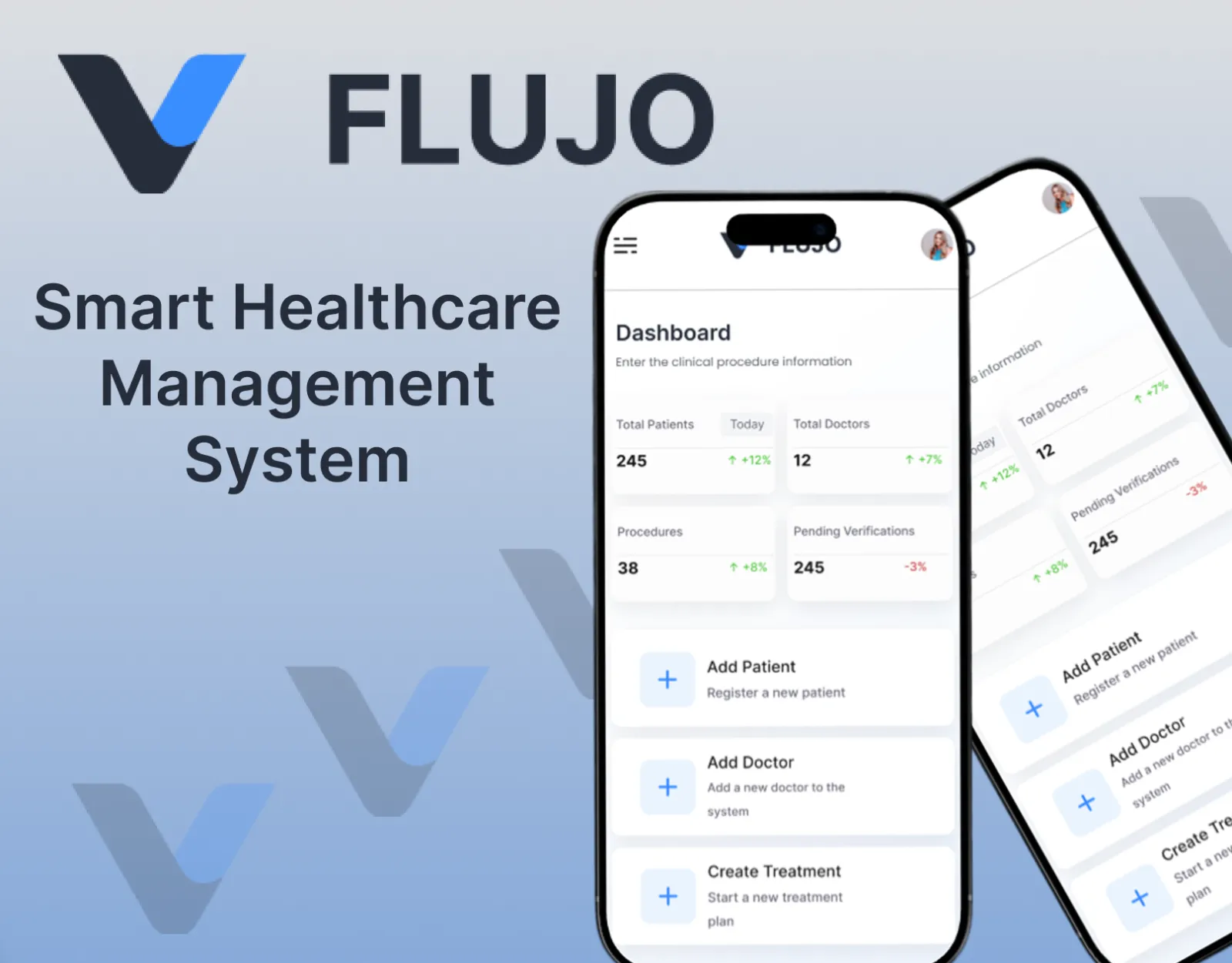
Smart health management system with dashboards for clinical and admin teams.
What clients usually ask before starting a web development project with us.
Another question? Email info@mercurysols.org.
A focused website takes about 7 to 10 days, a larger custom build 15 to 20 days, and a full platform 25 to 40 days, delivered in milestones. We agree the timeline in writing before work starts.
Yes. We start with a code review covering structure, security and test coverage, then recommend whether to extend it, refactor parts of it, or rebuild. You get the reasoning in writing before you decide.
Yes, this is one of our most requested jobs. The usual issues are exposed API keys, weak authentication and code that is hard to extend. We fix those, add proper hosting and monitoring, and keep whatever is worth keeping.
It depends on your team, integrations and hiring plans. For most new products we suggest Next.js with Node.js or Python and PostgreSQL, but we also work in Django, ASP.NET, Laravel and Go when that suits you better.
We split the work into phases. The first phase is a working product with the features users need most, and later phases add the rest once you have real feedback.
You do, on your own AWS, Vercel or other account, so you keep full control. We set it up, document it, and can manage it for you on a maintenance plan.
Tell us what you want to build. New builds, ongoing work or maintenance, on fixed-price, hourly or dedicated-team terms. We reply within 1 business day.